



Plating
Electroplating is to deposit a metal on a conductive surface of a CNC machining workpiece. Some of the benefits of plating include: increased resistance to corrosion, improved hardness, superior strength, resistance to wear, improved IR reflectivity, improved ductility, improved solderability, improved paint adhesion, altered conductivity and for other purposes.
Different plating chemicals incorporated into the process deliver anything from a semi-bright and fully bright cosmetic effect, matte or satin finishes.
Anodizing
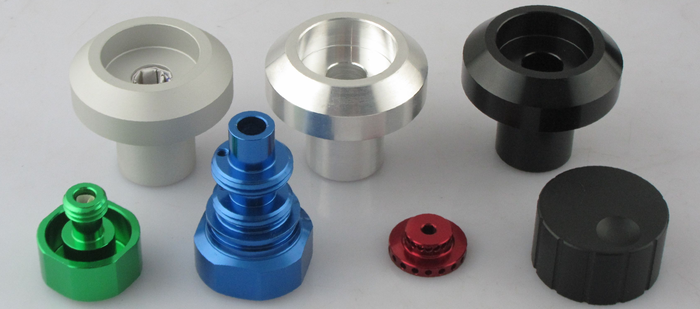
Anodizing is an electrochemical process that can convert the surface of aluminum alloy into a decorative, durable, corrosion-resistant, oxide layer finish. Aluminum is ideally suited to anodizing. Magnesium and titanium also can be anodized. The CNC machining parts being anodized will be featured with:
- Better anti-corrions resistance
- Decorative appearance
- Electrical insulation
- Enhanced adhesion for coating
Hard Coat Anodizing
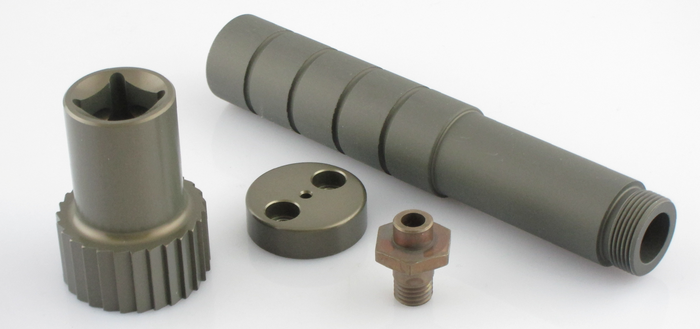
Alodine (Chemical film)
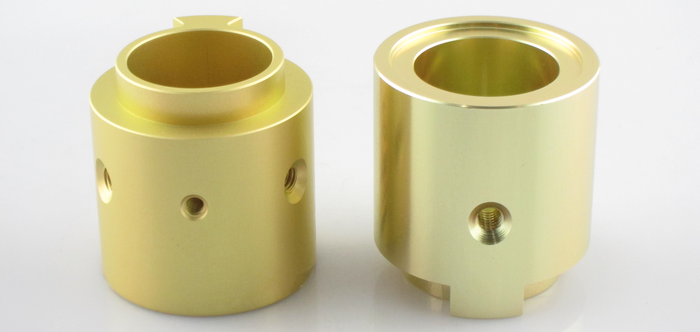
Alodine is a chromate conversion coating that protects aluminum and other metals from corrosion. It is also called chemical film or chemical conversion.
Black oxide
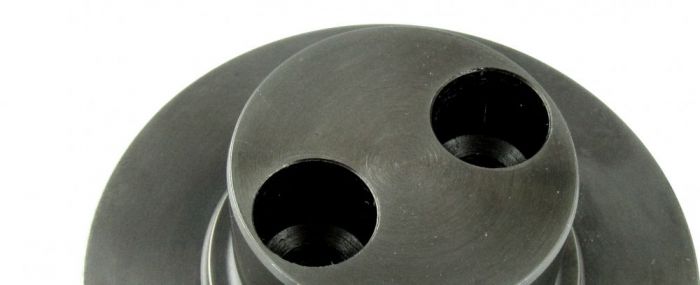
Black oxide is an exceptionally thin, iron-based oxide film. It is formed by putting iron parts into a hot and strong alkaline aqueous salt solution with nitrates and other ingredients. However, it is also possible to oxidize non-ferrous metals under suitable conditions to form black oxides. It is recommended to apply an after-finish treatment for black-oxidized components, such as with an oil or wax to achieve excellent anti-corrosion protection.
Zinc Plating
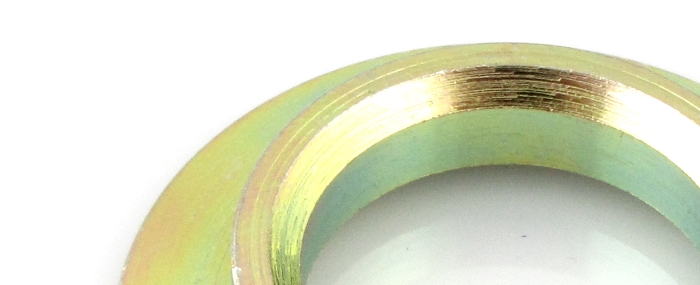
Zinc plating is widely used for anti-rust purposes in industrial components. Zinc plating electrodeposits a thin layer of zinc onto the surface of a metal object, known as a substrate. The zinc coating layer creates a physical boundary that prevents rust from reaching the underlying metal surface.
There are generally two plating methods for applying zinc coatings: rack plating and barrel plating. We normally apply rack zinc plating for smaller or delicate parts which couldn't withstand a rotating tumbling barrel. As for barrel zinc plating, it is much more cost-effective for plating many parts at once.
Chrome plating
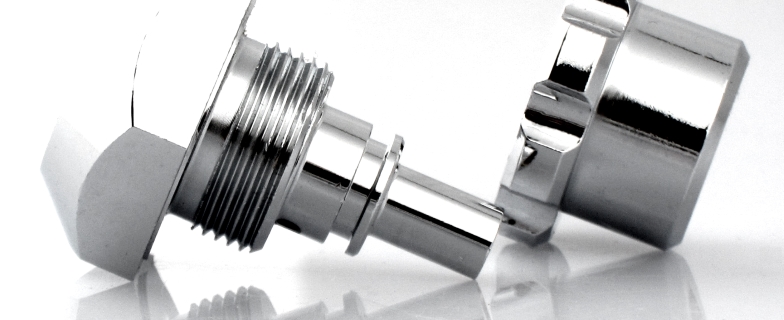
Electroplating is to deposit a thin metal layer on a conductive surface of a CNC machining workpiece. Some of the benefits of plating include: increased resistance to corrosion, improved hardness, superior strength, resistance to wear, improved IR reflectivity, improved ductility, improved solderability, improved paint adhesion, altered conductivity and for other purposes. Different plating chemicals incorporated into the process deliver anything from a semi-bright and fully bright cosmetic effect, matte or satin finishes. Generally speaking, chrome plating is much brighter than nickel plating.
Another option is hard chrome, which is available for reducing friction and improving durability through abrasion tolerance and wear resistance in general. Hardness can be up to HRC65~69.
Nickel plating
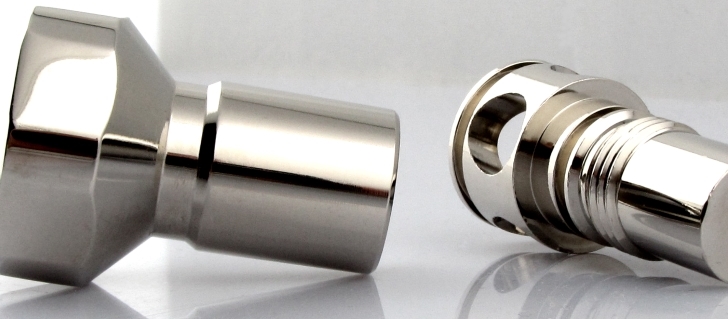
Electroplating is to deposit a metal on a conductive surface of a CNC machining workpiece, usually on a metal one. Some of the benefits of plating include: increased resistance to corrosion, improved hardness, superior strength, resistance to wear, improved IR reflectivity, improved ductility, improved solderability, improved paint adhesion, altered conductivity and for other purposes.
Different plating chemicals incorporated into the process deliver anything from a semi-bright and fully bright cosmetic effect, matte or satin finishes. The main benefits of nickel plating are likely cosmetic and anti-rust purposes.